Endlich wieder Malle! Teil 3

Zwischen Rennen 4 und Rennen 5 frischte der Wind zunächst mit bis zu 16kts und einem fetten Rechtsdreher deutlich auf. Zum Start pendelte er sich dann auf 12-14kts ein. Dieses Phänomen des Windes sich mit einem „Big Push“ einzustellen, ist charakteristisch für Palma. Ich merkte jetzt langsam die Ermüdung durch die anstrengenden Rennen am Vortag. Nach einem hektischen Gennaker Drop am Gate hatte sich die Gennakerschot um den Gennakerbaum gewickelt… Auch das noch! Eigentlich weiß ich, dass ich das Problem am besten sofort auf dem Amwind beseitige, aber wenn man müde ist, denkt man manchmal dumme Dinge und ich hoffte, das sich die Schot beim nächsten Setzen einfach von selbst wieder enttüdeln würde… tat sie natürlich nicht. Dementsprechend hatten wir dann an der Luvtonne ein größeres Malheur.

Die Finalserie

Für die letzten zwei Regattatage wurde die Flotte in Gold- und Silberfleet eingeteilt. Wir hatten es noch nicht ins Goldfleet geschafft, aber das war auch erstmal okay so. Natürlich versuchen wir immer bei jeder Regatta das bestmögliche Ergebnis zu erzielen, aber auf dem aktuellen Stand hatten wir noch so viel zu lernen, dass es egal war, ob wir gegen die Besten segeln oder nur im Silberfleet. Unsere Ziele für die Regatta waren sowieso rein sportliche Ziele und keine Ergebnisziele.

Foto: Felix Diemer

Die Bedingungen waren an beiden Tagen ähnlich. Wir fuhren raus, bei starkem auflandigen Wind mit ordentlich Welle. Aber da wir genau diese Bedingungen schon einmal im Training vor der Regatta gehabt hatten, gingen wir voller Selbstvertrauen aufs Wasser. Das erste Rennen segelten wir also in nahezu Überlebens-Bedingungen und feierten uns für jede Halse, die wir durchstanden, jeden „Nosedive“, den wir verhindern konnten. Es zeigte sich mal wieder, dass sich das Wintertraining in der Welle vor Vilamoura gelohnt hat, denn Nadi kann den Zeitpunkt für die Halsen in der Welle mittlerweile wirklich gut einschätzten, sodass die Halsen bei Welle besser funktionieren, als bei böigem Wind und Flachwasser!

Foto: Felix Diemer

Mit den weiteren Tagesrennen nahm der Wind dann immer mehr ab, bis wir zuletzt auf unseren niedrigsten Trimm gehen mussten. Der Fokus ging von „Survival-Modus“ zu „Immer den Flow im Boot behalten“. Das gelang uns obwohl nicht immer mit dem richtigen Trimm sehr gut, sodass wir in den letzten zwei Rennen der Regatta sogar einen 2. und einen 6. Platz nach Hause fuhren.
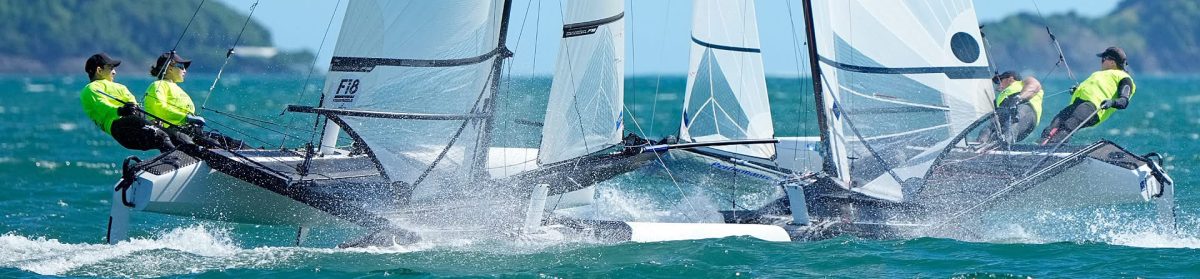
Wir beendeten unsere erste gemeinsame große Regatta auf dem 31. Platz und waren damit 6. im Silberfleet. Die Punkte, an denen wir im nächsten Trainingslager arbeiten müssen, sind klar und es läuft alles ziemlich nach Zeitplan. Wir können also mit unserer Arbeit auf Mallorca erstmal zufrieden sein und freuen uns schon auf unsere nächste Regatta, den World Cup in Hyeres.

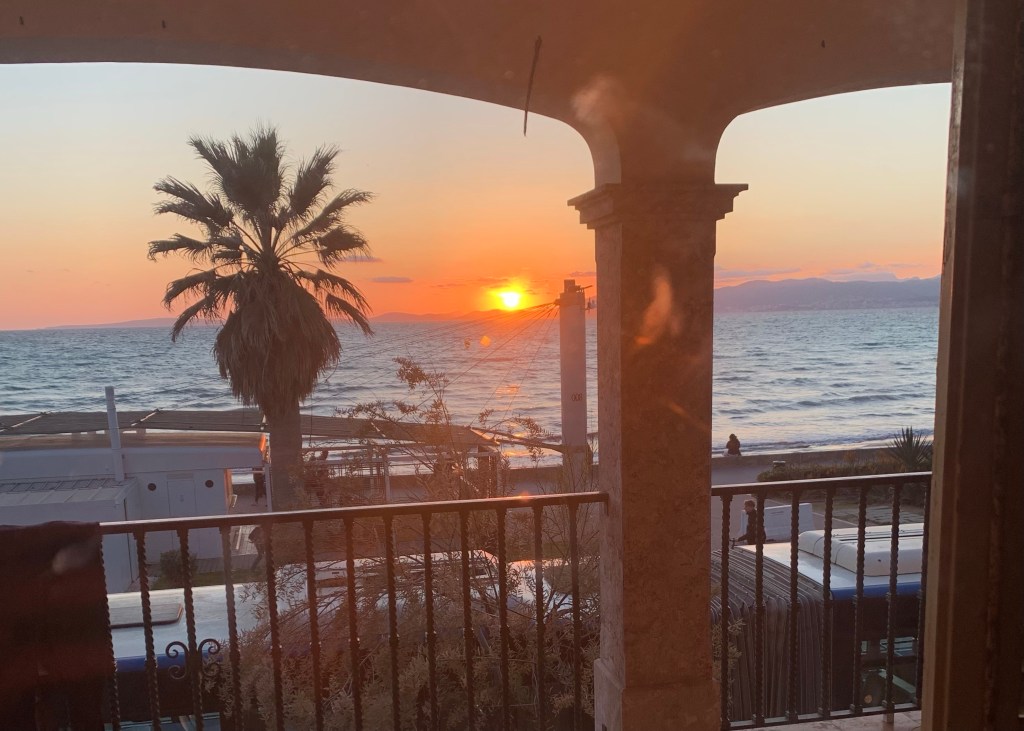
Insgesamt merkte man im ganzen Boatpark, wie sehr sich alle freuten, endlich wieder zusammenzukommen. Ich habe Freunde wiedergesehen, die ich zuletzt im Winter 2019/2020 in Melbourne getroffen hatte und es gab jede Menge zu erzählen. Das war wirklich schön und hat mich daran erinnert, warum ich diesen Lifestyle so genieße: Man hat Freunde auf der ganzen Welt und lernt viele unterschiedliche Kulturen kennen. So haben wir uns z.B. ein großes Haus mit unseren Trainingspartnern aus Amerika, einem Team aus Indien und einer weiteren amerikanischen Seglerin geteilt. Mit unserem portugiesischen Coach und uns gab das eine bunte multikulturelle Mischung!

English Version

Between race 4 and race 5 the wind freshened up considerably with up to 16kts and a right right shift. For the start it settled down to 12-14kts though. This phenomenon of the wind coning in with a „big push“ is characteristic for Palma.

In this race I slowly started to feel the fatigue from the exhausting races the day before. On top if that the gennaker sheet had wrapped around the spinnaker pole after a hectic drop at the gate… Seriously?! Actually, I know that it’s best to fix the problem immediately on the upwind, but when you’re tired, you sometimes think stupid things and I hoped that the sheet would just untangle itself the next time I hoisted the spinnaker… it didn’t, of course. Accordingly, we then had a major at the windward mark.

The final series

For the last two days of racing, the fleet was divided into gold and silver fleet. We didn’t make it into the gold fleet, but that was okay for now. Of course, we always try to get the best possible result at every regatta, but at this stage we still had so much to learn that it didn’t matter if we were sailing against the best or just in the silverfleet. Anyway, our goals for the regatta were purely technical and not result oriented.
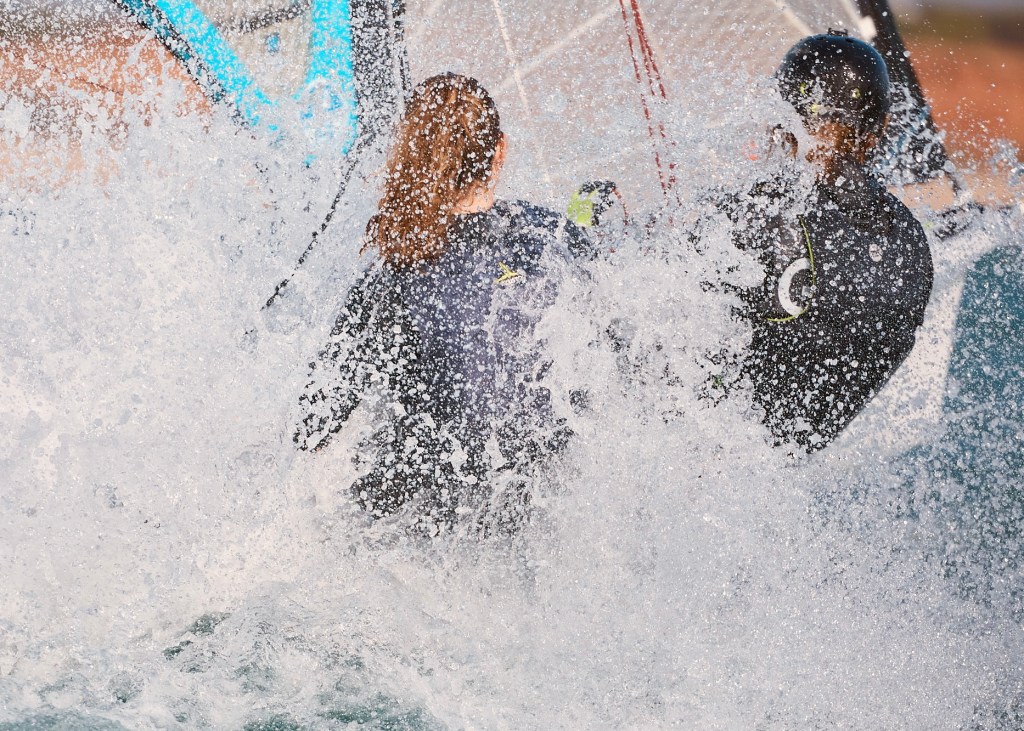
Foto: Felix Diemer

The conditions were similar on both days. We went out sailing in strong onshore winds with quite some waves. But since we had had these exact conditions in training before the regatta, we went out on the water full of confidence. The first race was sailed in near survival conditions, and we were celebrating ourselves for every gybe we got through, every „nosedive“ we managed to avoid. It showed once again that the winter training in the waves off Vilamoura has paid off, because Nadi can now estimate the time for the gybes in the waves really well. So the gybes actually work better in waves than in gusty wind and flat water!

As the day went on, the wind then decreased more and more until we finally had to go to our lowest trim. The focus went from „survival mode“ to „always keep the flow in the boat“. Although not always with the right trim, we managed quite well to keep the boat flowing, so we even got a 2nd and a 6th place in the last two races of the regatta.
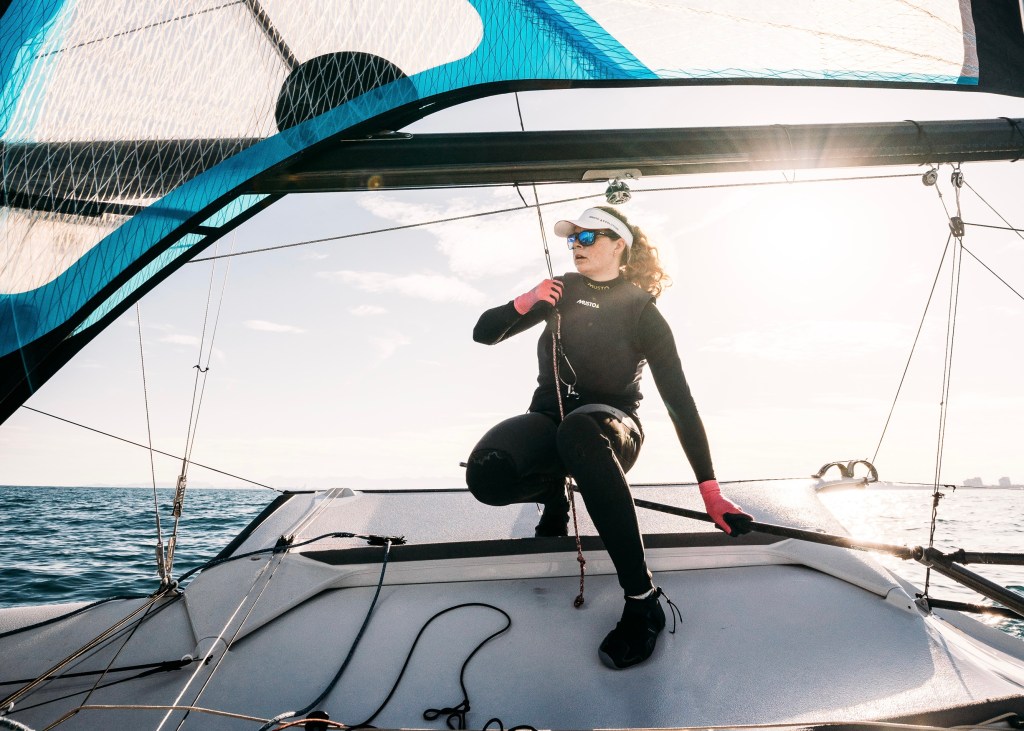
Foto: Simon Toplak

We finished our first big regatta together in 31st place, 6th in the silver fleet. The keypoints we need to work on in the next training camp are clear and everything is pretty much on schedule. So we can be satisfied with our work on Mallorca for now and are already looking forward to our next regatta, the World Cup in Hyeres.

Overall, you could tell throughout the boat park how happy everyone was to finally get back together. I saw friends again who I had last met in Melbourne in winter 2019/2020 and there was plenty to talk about. It was really nice and reminded me why I enjoy this lifestyle so much: you have friends all over the world and get to know many different cultures. For example, we shared a big house with our training partners from America, a team from India and another American sailor. With our Portuguese coach and us, this gave a good multicultural mix!

Endlich wieder Malle! Teil 2

Zweiter Trainingsblock

Der nächste Trainingsblock ging dann auch vorbei wie im Flug. Wir hatten glaube ich nur einen Tag mit wenig Wind, sodass wir große Fortschritte in unserer Manövertechnik machen konnten. An einigen Tagen war sogar so viel Druck, dass wir uns nicht sicher waren, ob wir es uns wirklich zutrauten, rauszugehen. Aber am Ende siegte doch immer der Mut und es zeigte sich, dass sich das Wintertraining gelohnt hat und wir mittlerweile auch bei viel Druck sehr sicher mit unserem Boathandling sind.

Anschließend flogen Nadi und ich für eine Woche zurück nach Deutschland. Ich ließ meinen Rücken einmal komplett durchchecken, besuchte unseren Sponsor Munich Moves und verbrachte ein paar Tage bei meiner Familie.

Trofeo Princesa Sofia

Zurück auf der Insel gingen wir in die finale Phase der Vorbereitung für unsere erste gemeinsame große Regatta und meinen allerersten World Cup!

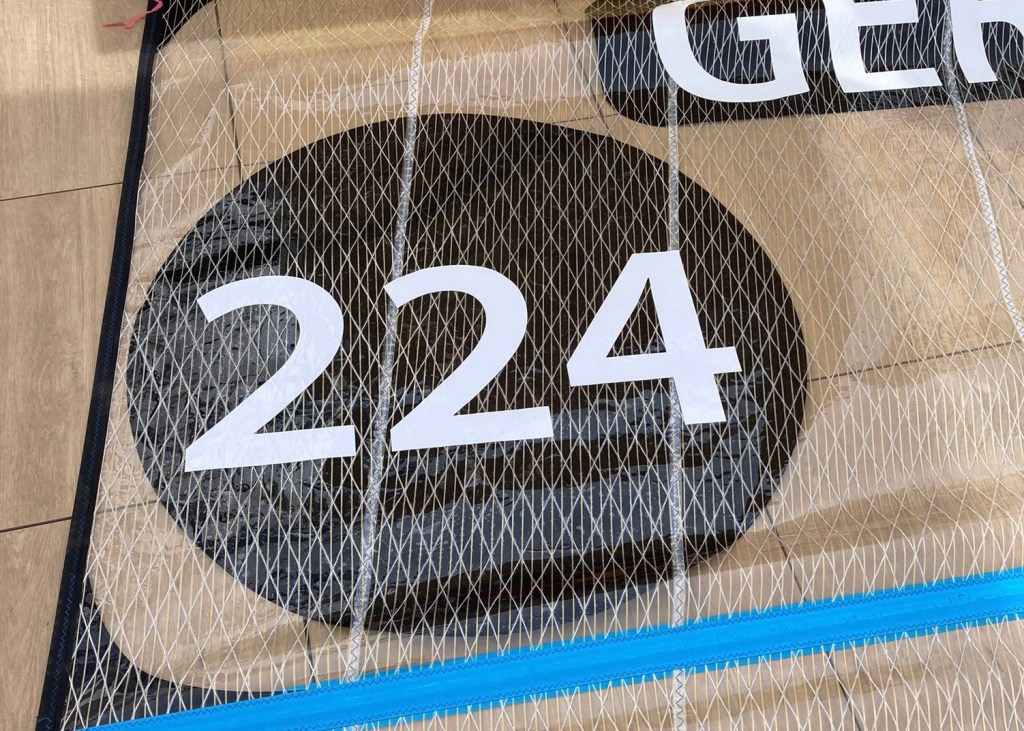
Unser Großsegel bekam einen neuen Sticker mit unserer tatsächlichen Segelnummer, der 224! Bisher waren wir nämlich immer mit der Segelnummer der Vorbesitzer von unserem 49er FX gesegelt. Außerdem checkten wir nochmal alle Systeme und Leinen an Bord und legten den Fokus unserer Trainingseinheiten aus Starten und Rennen segeln. Es fehlte nur noch die offizielle Anmeldung und dann ging es am 5. April endlich los!

Der erste Regattatag war auch gleich wieder „full on“ wie wir sagen. Der Wind blies großzügig aus nördlicher Richtung mit deutlich über 20kts. In den schnellen Olympischen Klassen arbeitet die Wettfahrtleitung immer mit einem Schichtsystem. Dadurch kann gewährleistet werden, dass immer nur eine Flotte gerade auf einem Kurs segelt und es wird die Gefahr von Zusammenstößen zwischen Booten verringert. Wir hatten an diesem Tag die Nachmittagsschicht und durften zusehen, wie ein 49er Team nach dem anderen wieder an Land kam, weil es Ihnen zu heftig wurde, bis zuletzt sogar die Rennen für die Jungs abgebrochen und auf den späten Nachmittag verschoben wurden.

Eine gute halbe Stunde später hatte der Wind aber dann etwas abgenommen und wir wurden rausgeschickt. Es war immernoch sehr windig, sehr böig und die meisten Teams waren ziemlich am Limit. Trotzdem schafften wir insgesamt 3 Rennen. Wir waren bei allen Rennen gut dabei, bis wir jeweils auf dem Vorwind in einer Halse kenterten und dadurch ordentlich Plätze verloren. Im letzten Rennen schafften wir es schließlich, alle Manöver durchzustehen. Der Tag zeigte uns, dass wir bei solchen Bedingungen nicht mehr nervös sein mussten – auch nicht im Rennmodus. Aber er forderte seinen Tribut. Durch die Kenterungen war die Mastnut an einer Stelle gebrochen, was wir natürlich am selben Abend noch reparieren mussten, und wir waren beide ganz schön müde.

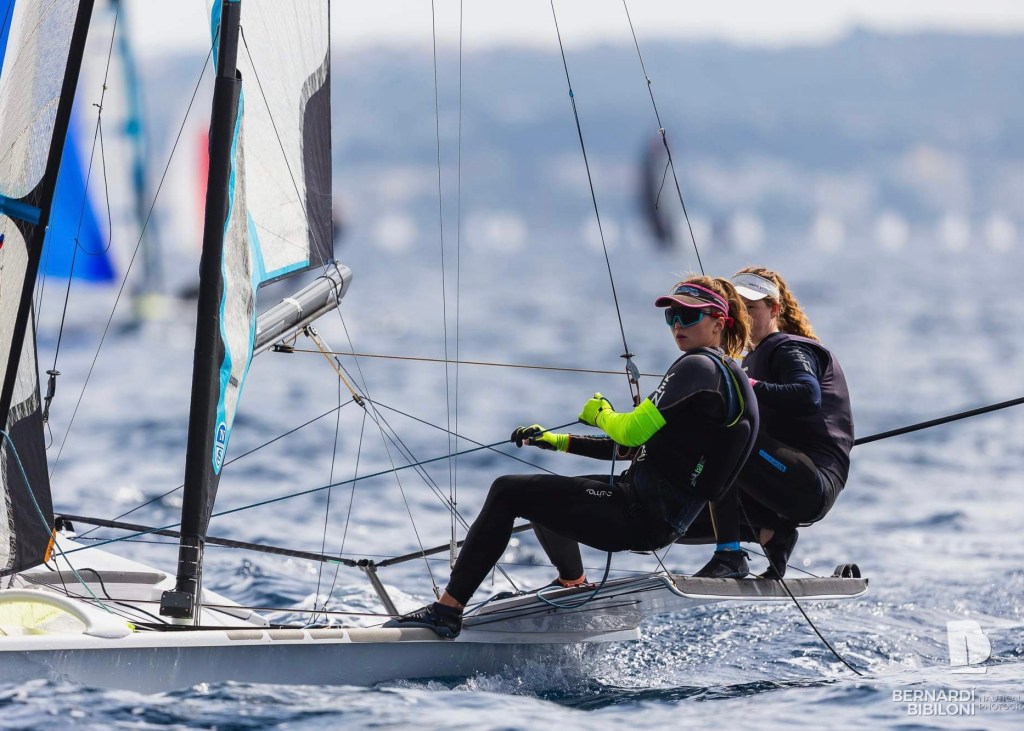
Der zweite Tag würde recht interessant werden. Wir starteten Rennen 4 bei 5-7kts und leichter Kabbelwelle. Wir legten einen meisterhaften Start hin und führten an der 1. Luvtonne das Rennen an. Auf dem Vorwind wurden wir etwas nervös und hatten kurz etwas Probleme mit unserem Speed. Wir konnten uns aber durch gute Kommunikation schnell wieder fangen. Die zweite Runde des Rennens wurde dann etwas chaotisch, vor allem die Halsen auf dem letzten Vorwind. Trotzdem kamen wir noch unter den Top 10 ins Ziel.

Foto: Bernardi Bibiloni

Wie es uns weiterhin ergangen ist, erzähle ich euch morgen!

English Version

The 2nd Training Block

The next training block went by in a flash. I think we only had one day with soft breeze, so we were able to make great progress in our maneuvering technique in strong winds. On some days there was even so much breeze that we weren’t sure if we really dared to go out. But in the end, courage always won out and it showed that the winter training was worth it and that we are now very confident with our boathandling even in strong wind.

After the camp, Nadi and I flew back to Germany for a week. I had my back thoroughly checked out, visited our new sponsor Munich Moves and spent a few days with my family.

Trofeo Princesa Sofia

Back on the island, we went into the final phase of preparation for our first big regatta together and my very first World Cup! Our mainsail got a new sticker with our actual sail number, the 224! Until now we had always sailed with the sail number of the previous owners of our 49er FX. We also checked all systems and lines on board and focused our training sessions on starts and racing. The only thing missing was the official registration and then we finally started on April 5th!

The first regatta day was again „full on“ as we say. The wind was blowing from the north with well over 20kts. In the fast Olympic classes the race committee always works with a shift system. This ensures that only one fleet is sailing at a time on a course and reduces the risk of collisions between boats. We had the afternoon shift that day and were uncomfortably watching as one 49er team after another came back ashore because it was getting too rough for them, until eventually the races for the guys were stopped and postponed until the late afternoon. But a good half an hour later the wind had died down a bit and we were sent out.

It was still very windy, very gusty and most teams were pretty much at the limit. Nevertheless, we managed to do a total of 3 races. We were doing well in all races until we capsized on the downwind in a gybe and lost a lot of places as a result. In the last race though, we finally made it through all the manoeuvres without capsizing. The day did show us that we didn’t have to be nervous in such conditions – not even in race mode. But it took its toll. The capsizes had broken the mast track in one place, which of course we had to repair immediately that evening, and we were both quite tired.

The second day would be quite interesting. We started race 4 at 5-7kts and light chop. We made a masterful start and led the race at the 1st windward mark. On the downwind we got a little nervous and had some problems with our speed for a while. However, we were able to quickly regain our speed through good communication. The second lap of the race then became a bit chaotic, especially the gybes on the last downwind. Nevertheless, we still finished among the top 10.

Tomorrow I will tell you how we the regatta went on for us!

Endlich wieder Malle! Teil 1

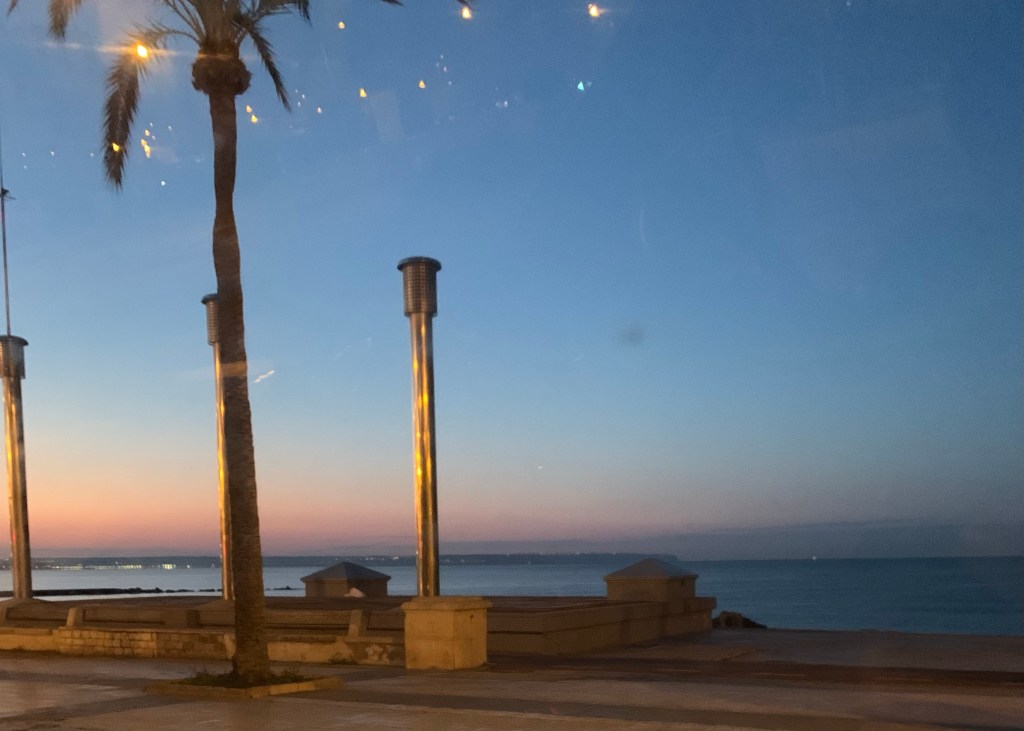
Nach zwei Jahren Absage aufgrund von Covid-19 kehrte die Olympische Segelszene endlich wieder auf Deutschlands beliebteste Urlaubsinsel zurück.

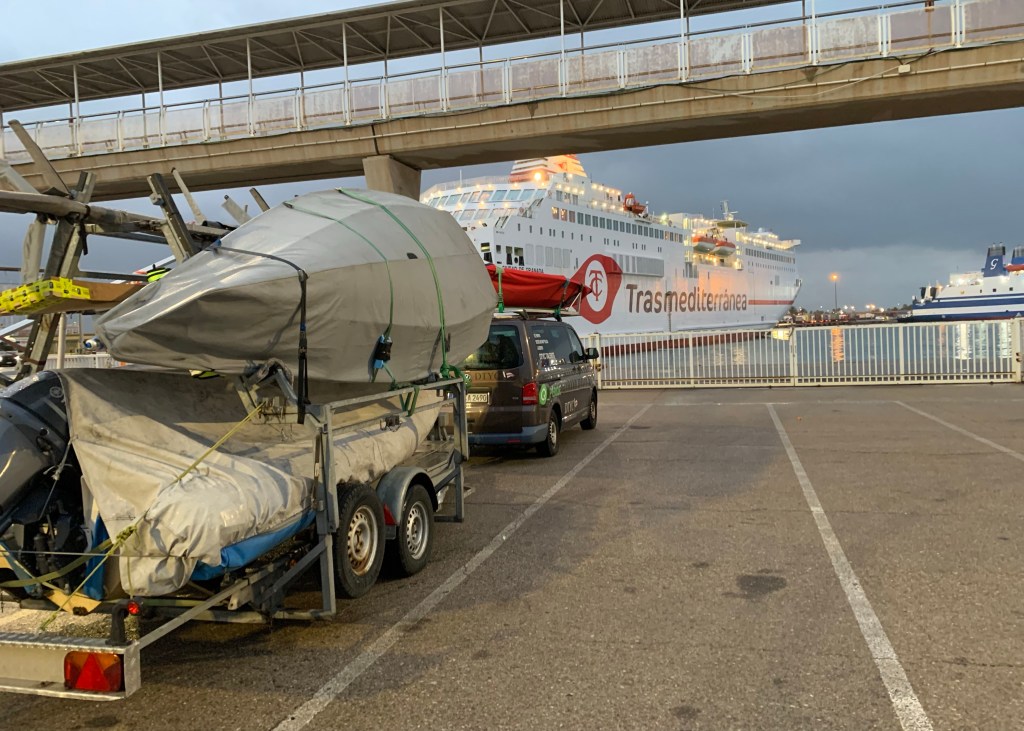
Wir nahmen am 7. März die Nachtfähre von Valencia, nachdem wir den Februar in Vilamoura trainiert hatten. Nadi hatte in der ersten Märzwoche ihre Opti B Segler bei der Opti Orange Regatta gecoacht und ich hatte eine Woche in Deutschland verbracht um ein paar Sachen zu erledigen und neue Partner für die Kampagne zu gewinnen.

Als wir am Morgen des 8. März in Palma de Mallorca ankamen, wollten wir unseren Augen und Ohren kaum trauen: Plötzlich gab das Auto ein Warnsignal ab – im ersten Moment dachten wir, der Tank wäre leer – aber es war eine Warnung für Glätte! Die Außentemperatur betrug gerade mal 4 Grad! Na prost Mahlzeit…

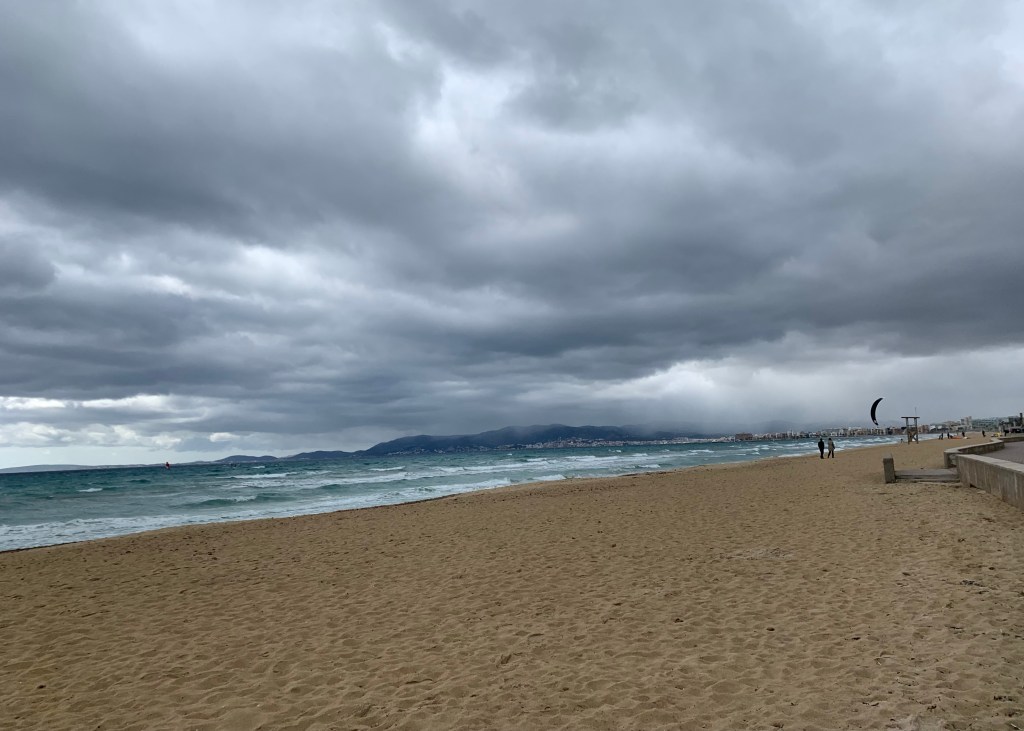
Das Wetter wurde in den ganzen 3 Wochen, die wir da waren, nicht wirklich besser. Oft war es mehr bewölkt, als dass die Sonne schien, oft brauchten wir mehr als einmal am Tag unsere Regenjacken und die Tage, an denen man nur im T-Shirt herumlaufen konnte, ließen sich an einer Hand abzählen.

Die Windbedingungen waren dafür – zumindest für uns – hervorragend. Nachdem wir den ganzen Winter in Vilamoura immer nur bei viel Wind und viel Welle trainieren konnten, versorgte uns die Bucht vor Palma durch die unstete Wetterlage mit ablandigem Starkwind und dadurch konnten wir endlich bei 20kts+ Manöver trainieren. In Skiffklassen, wie dem 49er Fx wird nämlich das Boathandling unproportional schwieriger, sobald etwas Welle dazu kommt.

Erster Trainingsblock

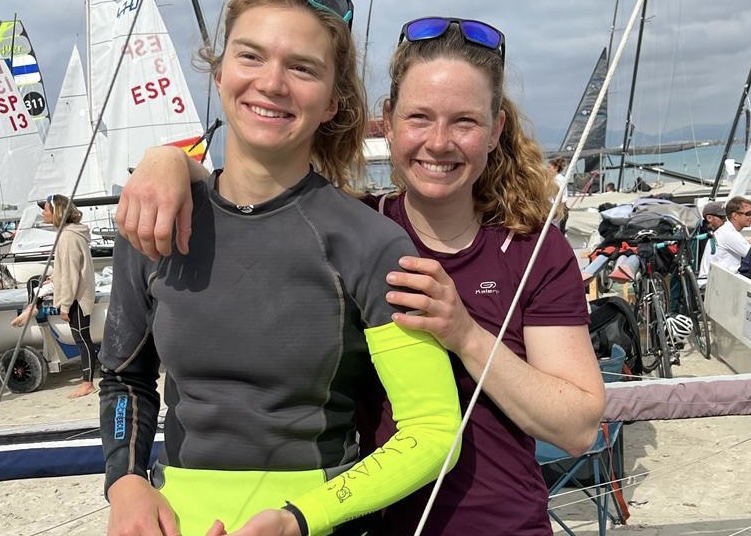
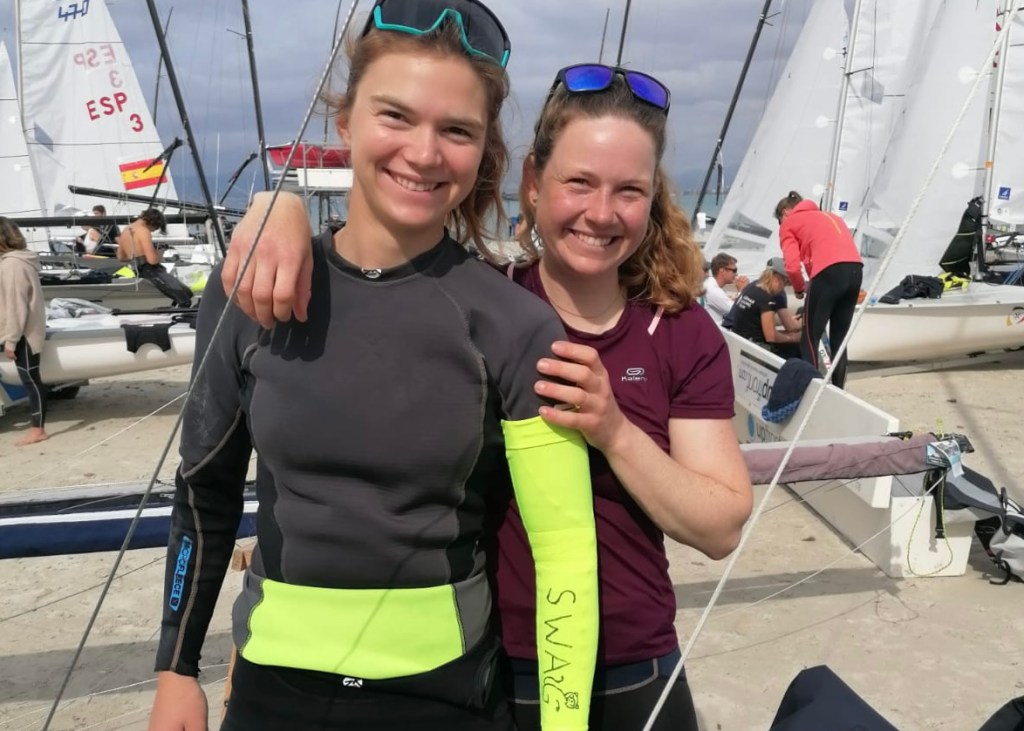
Unser erster Trainingsblock ging direkt am 9. März los und beinhaltete die alljährliche Trainingsregatta. Allerdings hatten wir dafür nicht, wie gewohnt Jorge auf dem Coachboot, sondern meinen Mentalcoach Markus Bauchrowitz. Mit ihm haben wir vor allem die Themen: Umgang mit Fehlern, Selbstbewusstsein, Umgang mit den Gefühlen des jeweils anderen und Fokus gearbeitet. Dabei ist auch dieser coole „Sleeve“ entstanden!

Obwohl wir in ein paar Trainingsrennen vor der Trainingsregatta und am ersten Tag der Regatta schon gut zeigen konnten, dass wir unter den Top 10 gut mitmischen können, entschied ich an den letzten beiden Tagen der Regatta, lieber meinen Rücken etwas zu schonen, für die 8 Tage Training, die mit unseren Trainingspartnern und Jorge vor der Tür standen. Ich hatte mir in Vilamoura beim Athletiktraining irgendwas verdreht/blockiert/gezerrt und habe immernoch etwas damit zu kämpfen.

Morgen gehts weiter mit dem zweiten Trainingsblock!

Enghlish Version

After two years of cancellations due to Covid-19, the Olympic sailing scene finally returned to Germany’s most popular holiday island. Finally, everything was back to normal! Not everything…

We took the night ferry from Valencia on 7 March after spending the whole of February training in Vilamoura. Nadi had spent the first week of March coaching her Opti B sailors at the Opti Orange Regatta and I had spent a week in Germany getting some stuff done and securing new partners for the campaign.

When we arrived in Palma de Mallorca on the morning of 8th March, we could hardly believe our eyes and ears: Suddenly the car gave a warning signal – at first we thought we were running low on fuel – but it was a warning for icy conditions! The outside temperature was just 4 degrees! Great…

The weather didn’t really get any better in the whole 3 weeks we were there. It was definetily not the Pal ma weather everyone was used to… It was more often cloudy than sunny, most days we needed our rain jackets more than once a day and the days when you could walk around only in a T-shirt could be counted on one hand.

The wind conditions though were excellent – at least for us. After we had only been able to train with a lot of wind and waves all winter, the bay off Palma provided us with strong offshore winds due to the unstable weather conditions, which meant we could finally train manoeuvres at 20kts+. In skiff classes like the 49er Fx, boat handling becomes disproportionately more difficult as soon as there are waves.

First training block

Our first training block started directly on 9th March and included the annual training regatta. However, we did not have Jorge on the coach boat as usual, but my mental coach Markus Bauchrowitz. With him, we mainly worked on the following topics: Dealing with mistakes, self-confidence, dealing with each other’s feelings and focus. This cool „sleeve“ was also created in the process!

Although in a few training races before the training regatta and on the first day of the regatta we were able to show that we can compete well in the top 10, I decided on the last two days of the regatta that I would rather take it easy on my back to be ready for the 8 days of training that lay ahead with our training partners and Jorge. I had twisted/blocked/strained something in the gym in Vilamoura and am still struggling with it a bit.

Tomorrow you will hear about the next training block!

Translated with the help of http://www.DeepL.com/Translator (free version)